IRONMAN Lake Placid 2027
Twice around the mountains. Once around the Oval.
- Sun 25 July 2027
- Lake Placid, New York
- 140.6 miles · 2.4 miles / 112 miles / 26.2 miles
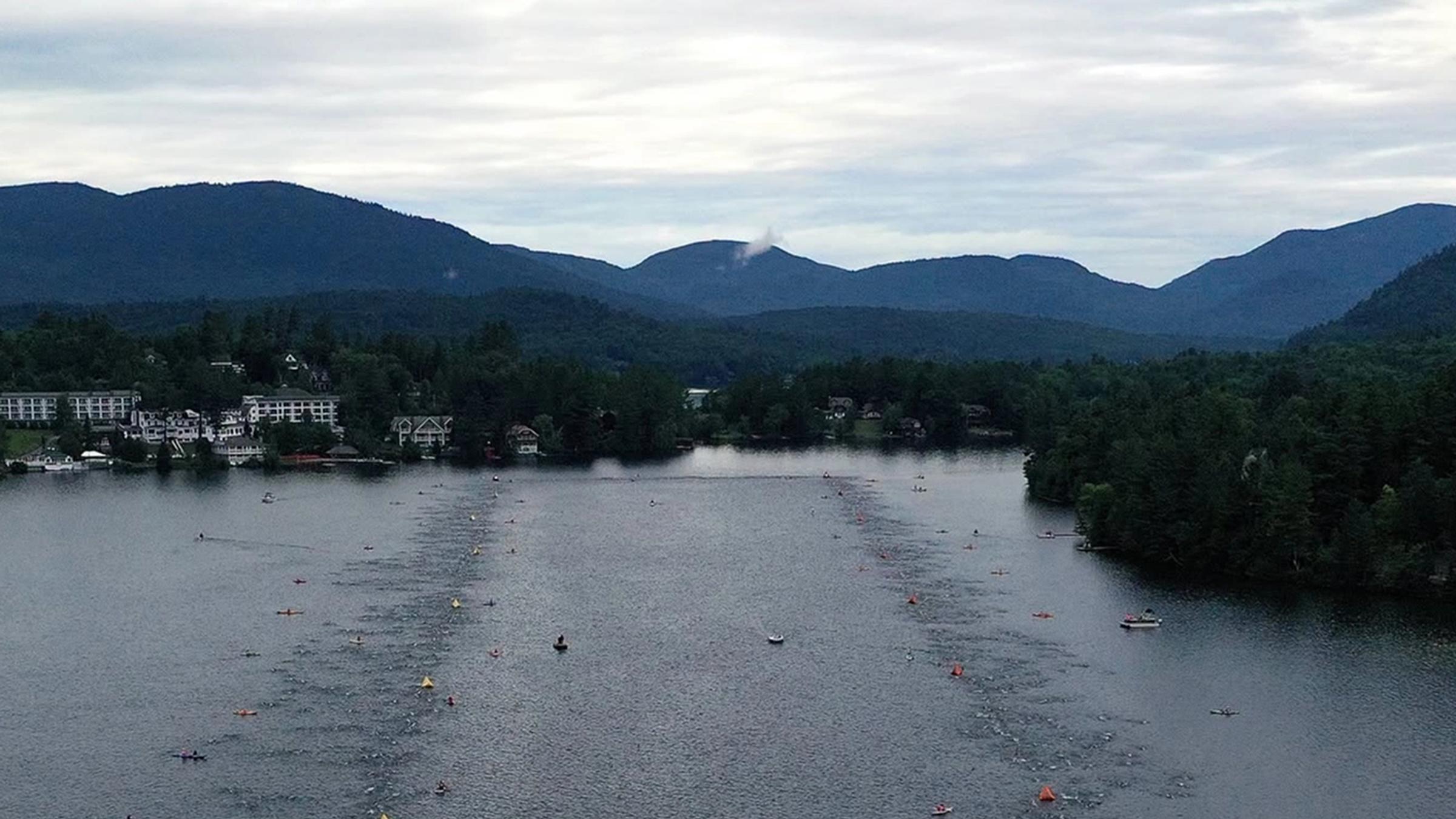
A two-loop cabled swim in Mirror Lake, two loops of the Adirondacks with roughly 7,000 to 8,000 feet of climbing, and a two-loop marathon that ends on the Olympic speed-skating oval. The second-oldest full-distance IRONMAN in North America, and the only full IRONMAN on Wingman's 2027 calendar. Coached start to finish by Stephan Weyers.
24-week coached programme · starts 8 February
Coached by Stephan Weyers · optional 12-week preseason from 16 November
Written and reviewed by Stephan Weyers, IRONMAN Certified Coach. Last reviewed 7 October.
Key facts
- Swim
- 2.4 miles
Mirror Lake, two-loop cabled course, rolling start at 6:30 am. Wetsuit legal every year since 2011.
Typical water temperature is 70 to 75°F. Occasionally borderline for the wetsuit limit in a hot year.
- Bike
- 112 miles
Bike elevation is approximately 7,000 to 8,000 feet across two loops
- Run
- 26.2 miles
Run elevation is approximately 1,200 to 1,400 feet, across two loops


- 36
- Total coached weeks
- 12-week preseason plus 24-week race programme
At a glance
IRONMAN Lake Placid is a full-distance (140.6-mile) triathlon held each July in the Adirondack village of Lake Placid, New York, the second-oldest full-distance IRONMAN race in North America. The 3.8 km swim is two cabled loops of Mirror Lake. The 180 km bike is two loops through the Adirondacks, including the Keene descent, the Jay loop, the climb from Wilmington on Route 86, and the three rollers known as "the Bears," totaling roughly 7,000 to 8,000 feet of climbing. The 42.2 km run is two loops through the village, finishing on the Olympic speed-skating oval. It is the only full-distance race on Wingman's 2027 calendar and, per Stephan, the hardest one on it.
Lake Placid is the right race if the 70.3 was never the actual goal
You are somewhere between forty and sixty. You already know what a half-distance race feels like, or you've decided to skip straight to the real thing. Either way, you didn't get into this sport to do the easy version of it. Lake Placid is a good place to find out what the full distance actually asks of you, for four reasons.
It is the complete test, not a longer 70.3
Twice around Mirror Lake, twice around the Adirondack loop, then a marathon, with the real climbing concentrated in the second half of the bike and the real fatigue concentrated in the second half of the run. Nothing about pacing a 70.3 prepares you for managing a day this long; that is the actual coaching problem here.
The mountains are the point, not an obstacle
This is not a flat course that happens to be long. With 7,000 to 8,000 feet of climbing on the bike alone, Lake Placid rewards athletes who have trained specifically to climb, descend and still run a marathon afterward. How 70.3 training fits around a full diary covers the half distance; the full distance is a different commitment, and we tell you that honestly on the call.
It has history, and the town knows it
Lake Placid has hosted this race since 1999 and is celebrating its 28th running in 2027. The 1932 and 1980 Winter Olympics venues are still standing, and you finish where Olympic speed skaters once raced. Few IRONMAN finish lines carry this much weight.
And it sells out early
As of September 2026, 2027 was already reported around 60 percent sold out. Athletes who wait to decide are often deciding not to race.
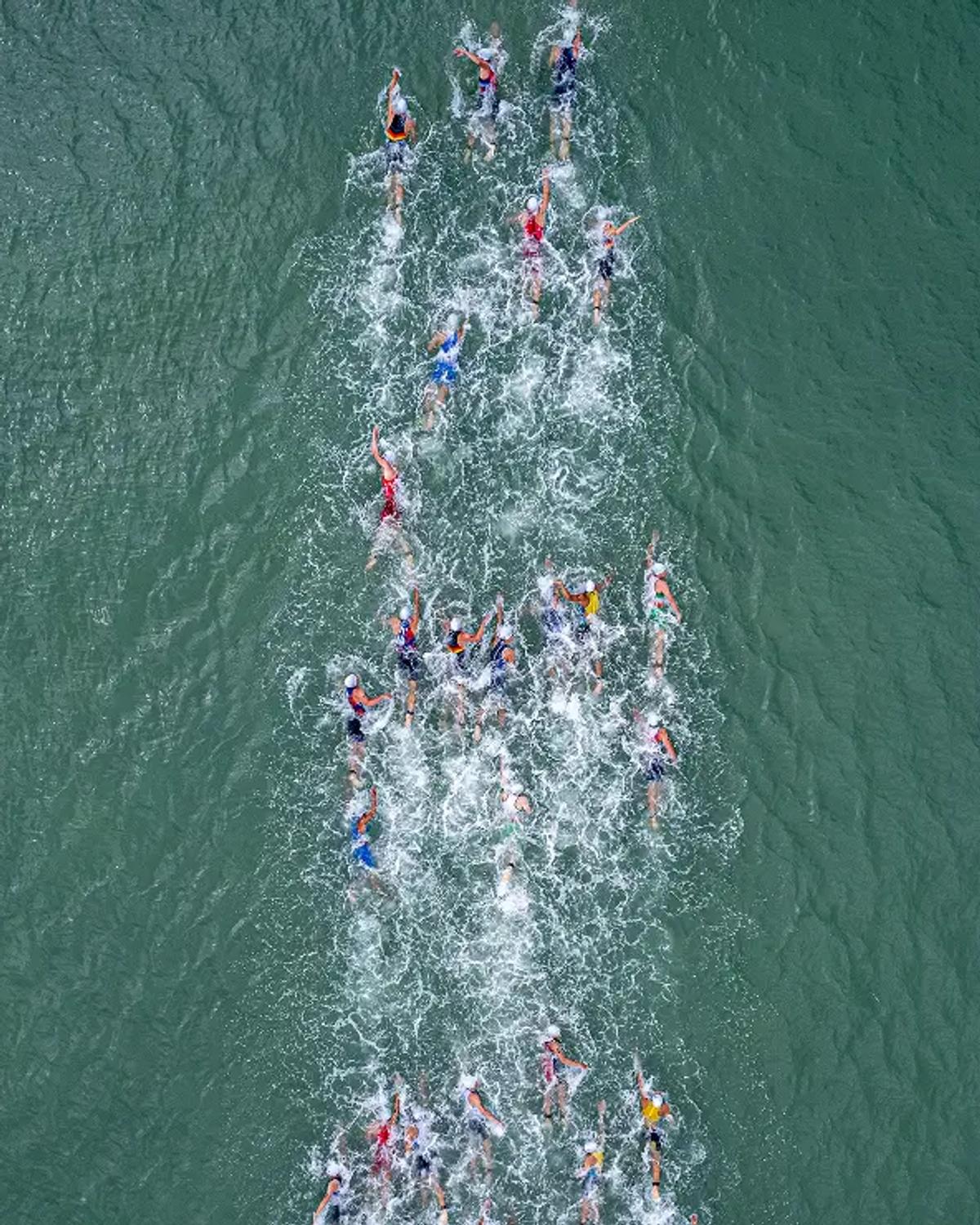
The Swim — 3.8 km, Mirror Lake, two cabled loops
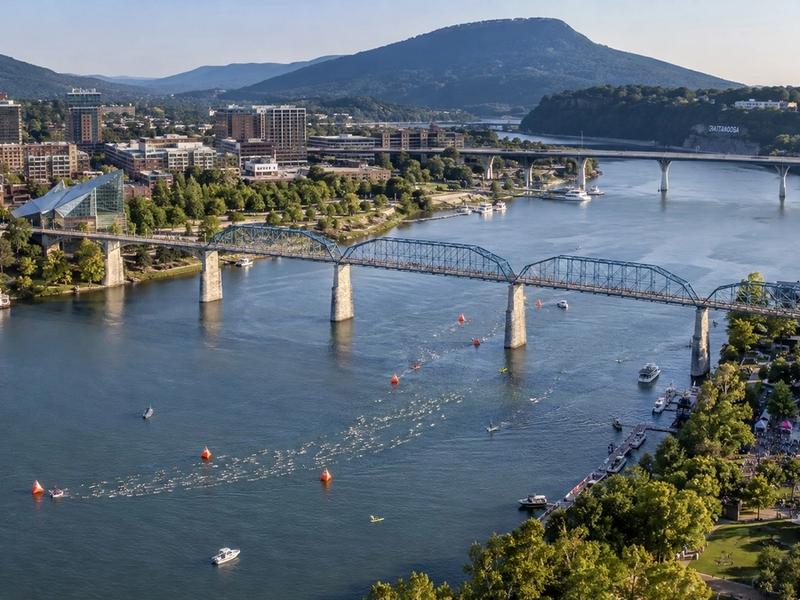
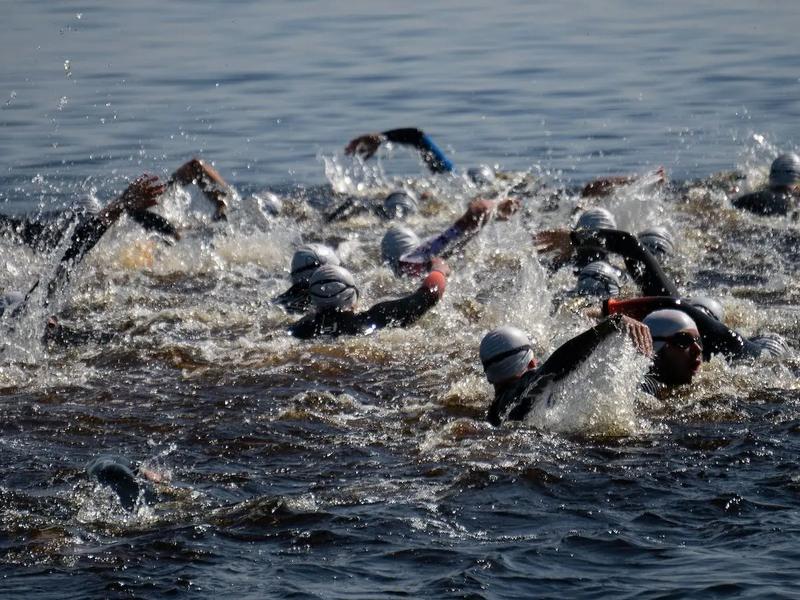
You start at 6:30 am in a rolling start at the Mirror Lake beach, swimming two 1.9 km loops with a short run across the timing mat between them. An underwater cable runs beneath the course, so sighting is close to a non-issue: follow the cable, and you cannot get lost. Mirror Lake is calm, clear and small as IRONMAN swim venues go, which means it is crowded in the opening minutes of each loop.
Wetsuits have been legal every year since 2011. Typical water temperature in late July is 21 to 24°C, or 70 to 75°F, comfortably below the wetsuit limit most years, though it has come close to the cutoff in hot summers. Bring a wetsuit and a swimskin, and plan for either.
The beach-to-mat loop is a mental landmark, not a problem. Coming out of the water after the first loop, running across the mat, and diving back in is disorienting the first time you do it and routine the second. We rehearse it so it doesn't cost you composure on race morning.
What that means for how we train you. A calm, cabled, two-loop swim is a fitness and crowd-management problem rather than a navigation one. Your swim block builds sighting rhythm off the cable, comfort in a crowded first 200 meters of each loop, and the specific skill of settling back into rhythm after the beach crossing. If open water is new to you, start with our guide to open-water swimming for nervous beginners
What that means for how we train you
A calm, cabled, two-loop swim is a fitness and crowd-management problem rather than a navigation one. Your swim block builds sighting rhythm off the cable, comfort in a crowded first 200 meters of each loop, and the specific skill of settling back into rhythm after the beach crossing. If open water is new to you, start with our guide to open-water swimming for nervous beginners
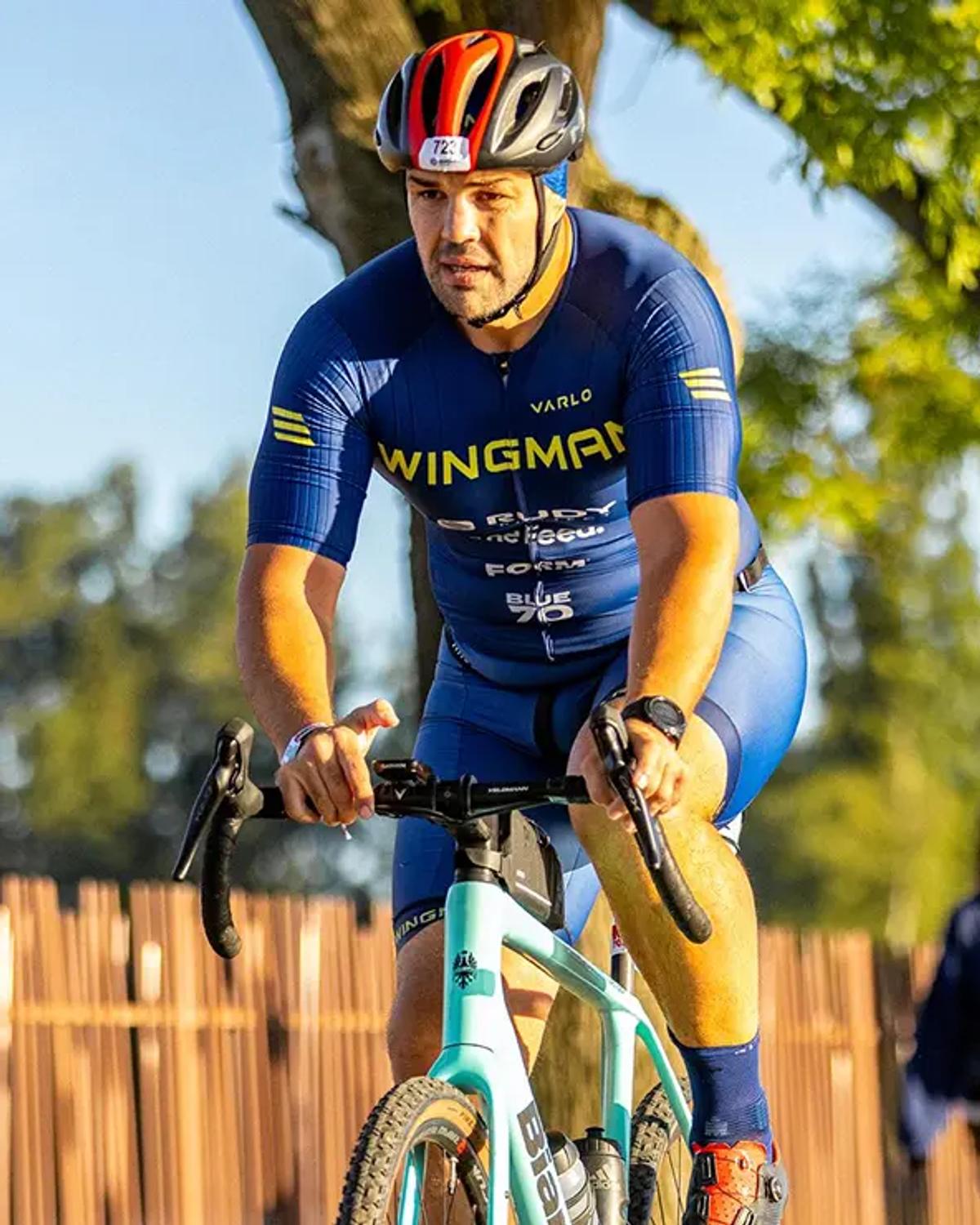
The Bike — 180 km, two loops, real mountains
Two loops through the Adirondacks: out through Keene, a long descent of roughly 1,000 feet over six to seven miles, then the loop added through Jay in 2024 (with its covered bridge), the climb back up Route 86 from Wilmington over 11 to 12 miles, Haselton Road, and the three rollers riders call "the Bears" before you return to the village. Total climbing is approximately 7,000 to 8,000 feet across both loops.
The Keene descent is the course's signature moment, and its biggest risk. Fast, technical and cold in the morning air. Athletes who ride it conservatively on loop one and more confidently on loop two, once they know the road, do better than athletes who push it hard the first time.
The climb back up is where the race is actually decided. Route 86 out of Wilmington and the Bears come after you've already ridden half the course once, and you meet all of it again on loop two with fatigue in your legs. This is not a course with one hard section and easy miles either side; it is sustained effort over real terrain, twice.
The cumulative bike cutoff is absolute. You must be off the bike by 10:30 elapsed time from your own start, or your race ends there regardless of how you feel. Pacing the climbs conservatively enough to stay inside that number, while still leaving something for the marathon, is the central strategic problem of this course.
What that means for how we train you
Lake Placid is a strength-endurance course built around repeatable effort: climbing twice, descending confidently, and holding a number you can sustain for five to six hours rather than two. We build structured hill repeats from the start of the race programme, put you on real outdoor climbs and descents from spring, and rehearse pacing against the cumulative cutoff specifically, not just the finish time. The same logic applies to how we set your heart-rate zones.
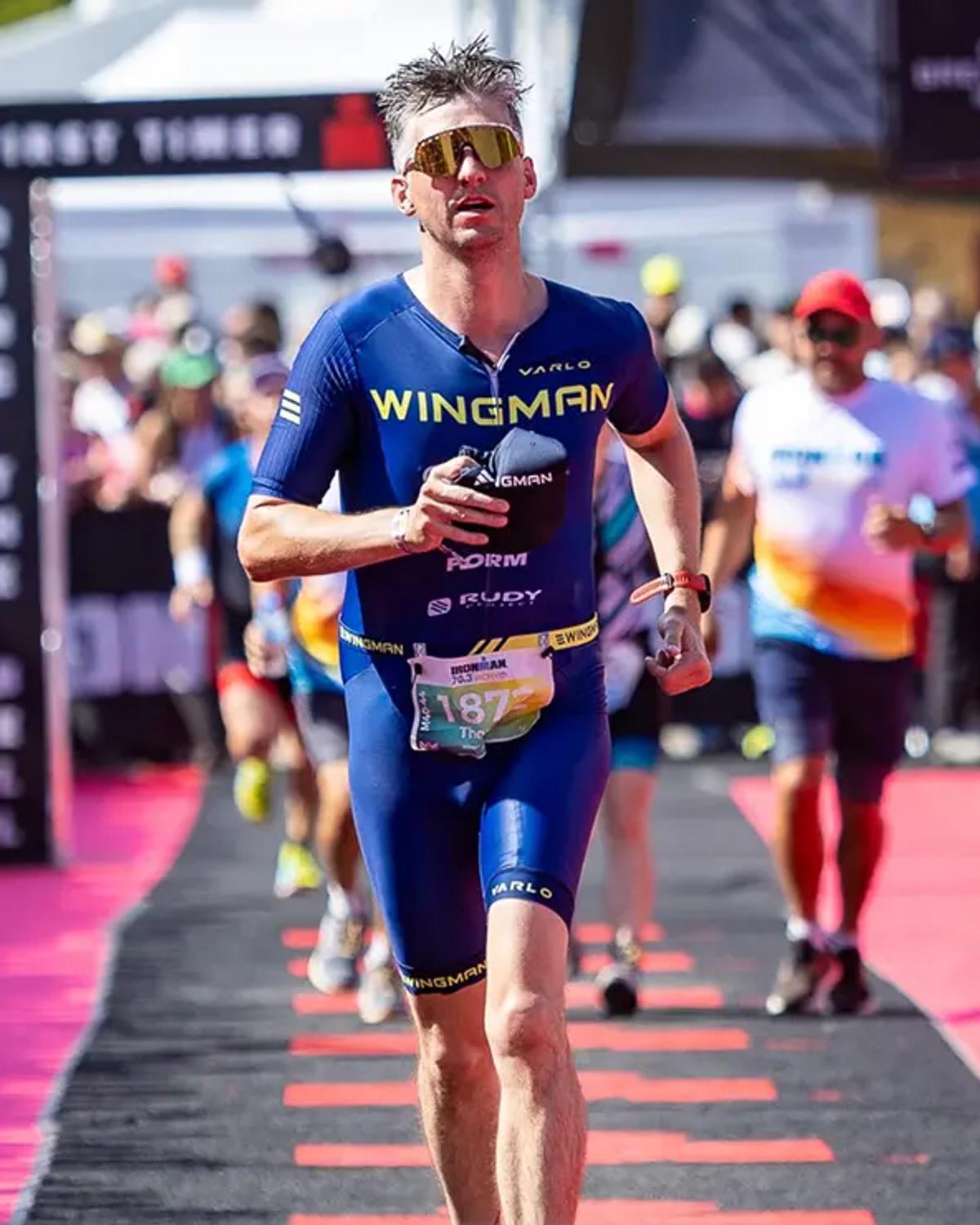
The Run — 42.2 km, two loops, finishing on the Olympic Oval
Two loops through the village and surrounding roads: Sentinel Road's descent, River Road along the water, the climb known as Lisa G's, Main Street through the heart of the village, and Mirror Lake Drive, before finishing on the Olympic speed-skating oval. Total climbing across both loops is approximately 1,200 to 1,400 feet.
This is a marathon on tired legs, on a course with real hills in it. Lisa G's is not long, but it arrives twice, on legs that have already climbed the Bears twice on the bike. Athletes who have only trained flat marathons find this out the hard way.
The crowd on Main Street is the best moment of the day, until it isn't. It is loud, it is close, and it will pull you faster than your plan on lap one if you let it. The athletes who manage the crowd rather than feed off it are the ones who run, rather than walk, lap two.
The finish is worth the whole day. Running onto the Olympic Oval, under lights if you're racing into the evening, with the crowd in the stands, is one of the most-described finish-line moments in the sport. It is also 17 hours after you started if you use every minute the course allows, and that is not a failure; it is the cutoff working as intended.
What that means for how we train you
Your run block is built around running a marathon off a hilly 112-mile bike, not off fresh legs: brick sessions from spring, hill repeats matched to Lisa G's gradient and frequency, and long runs that specifically rehearse running when you are more tired than any training session alone can simulate.
Five things that ruin race day at Lake Placid
Every one of these is a coaching problem, not a fitness problem. They are decisions made under fatigue by people who haven't rehearsed them. That rehearsal is most of what you are paying us for.
- 1
Riding the Keene descent like a hero on loop one
It is fast and technical, and you ride it again two hours later on tired legs with the road already learned. Bank the confidence, not the time.
- 2
Ignoring the cumulative bike cutoff
10:30 elapsed, not from the bike start. Athletes who don't know their own splits against that number in real time have raced themselves out of the event without realizing it until T2.
- 3
Treating this like a longer 70.3
The fatigue curve of a full distance is not linear from the half. Nutrition, pacing and mental strategy all need their own preparation, not a scaled-up version of a 70.3 plan.
- 4
Racing the Main Street crowd on lap one of the run
It is the loudest, best moment of the day, and it is designed to make you go faster than your plan. Save something for lap two.
- 5
Underestimating the second loop of everything
The swim, the bike and the run all repeat. Athletes who treat loop one as the whole race arrive at loop two with nothing left for it. Every pacing decision on this course should be made with the second loop already in mind.
Your coach: Stephan Weyers
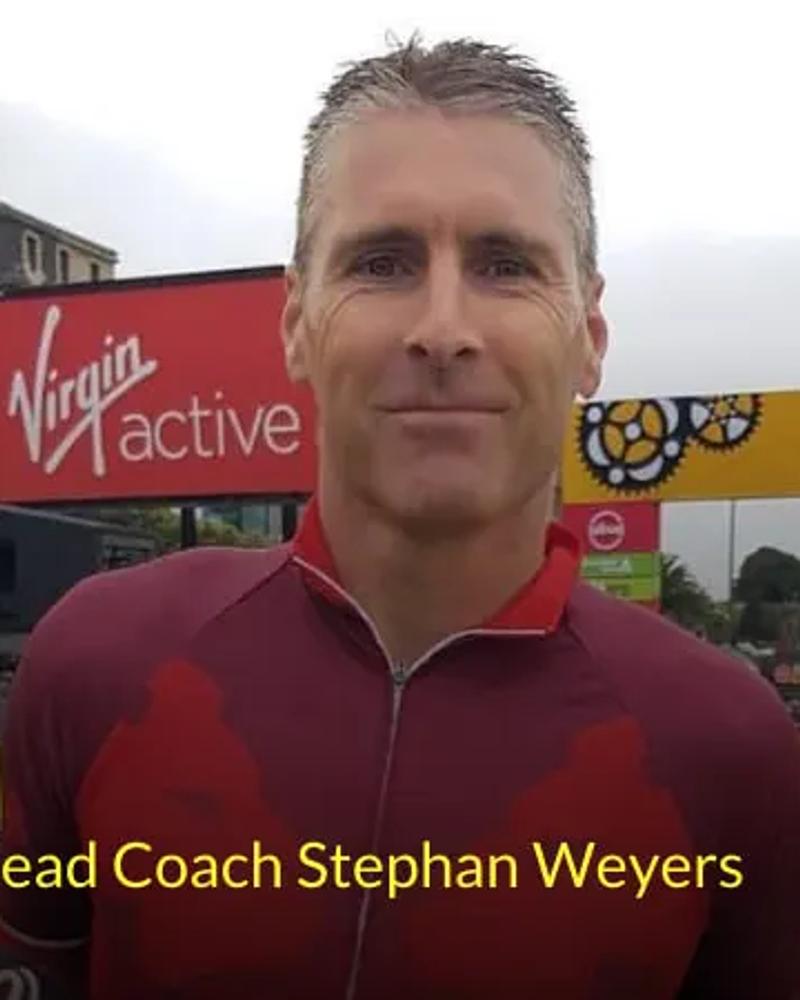
It's the only full distance on Wingman's calendar, and he asked for it to be added himself. He knows what the second loop of a mountain bike course does to a pacing plan, and what a forty-eight-year-old with a full diary can genuinely absorb across 36 weeks, because he's done it himself.
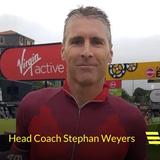
Stephan Weyers is co-founder of Wingman Multisport and an IRONMAN Certified Coach. A sports lawyer by trade, he went from bucket-list Ironman to multiple Ironman finishes, then to coaching.
Stephan combines a data-driven approach with what he learned on his own journey as an amateur athlete. He describes himself as a cheerleader at heart, but firm in approach.
“His line is: “Genetics loads the gun, lifestyle pulls the trigger.””
Why Stephan for Lake Placid?
It's the only full distance on Wingman's calendar, and he asked for it to be added himself. He knows what the second loop of a mountain bike course does to a pacing plan, and what a forty-eight-year-old with a full diary can genuinely absorb across 36 weeks, because he's done it himself.
The programme: 36 coached weeks to 25 July 2027
Every Wingman race follows the same shape — an optional twelve-week preseason to build the base, then a race-specific programme through to race day. Lake Placid's programme runs longer than Wingman's 70.3 races because the full distance needs it.
Stage 01
Optional twelve weeksPreseason
16 November 2026 to 7 February 2027
Build your aerobic engine, strength, movement quality, and swim technique from scratch if needed. This is the base-building phase, before intensity increases. Why the base comes before the load.
Stage 02
twenty-four weeksRace programme
8 February to 25 July 2027
Lake Placid-specific: structured hill repeats from the start, outdoor climbing and descending from spring, open-water swims rehearsing the cable and the beach crossing, long bricks building toward a full-distance day, and pacing rehearsal against the cumulative bike cutoff.
Stage 03
Race week
19 to 25 July 2027
Taper, travel, a shake-out swim in Mirror Lake, ride and run with Stephan the day before, a transition walkthrough, and coach support on the course in Lake Placid.
The weekly commitment
Preseason runs at roughly five to seven hours a week. The race programme peaks at twelve to fifteen hours a week in the final build, then comes down through the taper. This depends on the athlete's level. The hours mentioned here are a bare minimum. Sessions are built around your actual calendar, not an idealised one.
If you miss a week, the plan adapts. It is rebuilt around what you did, not what you were supposed to do. That is what "adaptive" means here, and it is the difference between a coach and a downloaded PDF. On Team Wingman, the plan is fitted to your week once, at signup. On Wingman Custom and Wingman One, Stephan reviews your training every day and rebuilds the plan with you. How Wingman's online coaching works.
Three Ways to Train with Wingman
Every tier runs on the same coaching philosophy that has taken 700+ finishers across 15+ countries.
Tier 01
Team Wingman
$195/month
+ $150 onboarding
Your plan, fitted to your week. Train with a cohort chasing the same finish line, with the full Wingman team behind you.
Setup
Welcome pack: cap, race belt, water bottle ($70 value)
Plan Fit Session at signup, plan mapped onto your actual week
Full setup: TrainingPeaks, devices, zones, insurance
Training
Proven Wingman plan via TrainingPeaks
TrainingPeaks Premium account included
Race cohort, training alongside your event
Coaching
Monthly team Zoom call with Stephan and the squad
Monthly recap from your coach
Wingman WhatsApp community, group messaging
Race course preview and race-week support
Race support in person at official team races
The team
The Wingman Athlete Library: nutrition, race week, travel, data
Early access to the race calendar, race intel archive, finisher graphics
Team kit, store and monthly newsletter
Preferred pricing: Garmin, QR, TheFeed, Form, Rudy Project
Pause without penalty, plus race deferral at no charge
If you do not cross the finish line, I refund your coaching fees. The onboarding fee is not refundable.
Daily coach review of your training
1:1 coach contact or personalised plan
Swim and run video analysis
Most Popular
Tier 02
Wingman Custom
$345/month
+ $250 onboarding
Your race. Your plan. And a coach in your training every single day.
Everything in Team Wingman, plus
I review your training every day and comment on your workouts
Personalised plan built around your schedule, level and goal race
Training zone management, zones updated as your fitness changes
Test Week at the start to set zones from real data
Integrated strength training
TrainingPeaks Virtual cycling platform
Coaching
Performance report every week
Monthly 1:1 call, plus more on demand whenever you need one
Direct 1:1 messaging in TrainingPeaks, 48hr reply
Monthly swim and run video analysis
Season planning and race selection call
Race Day
Personalised nutrition and hydration plan
Personalised race-day pacing plan
Post-race review with coach input
Extras
Real-time tracking, Garmin and wearable sync
Training camp discounts, waitlist priority on Wingman One
Tier 03
Wingman One
$549/month
+ $350 onboarding
My full attention. Fortnightly deep analysis, direct access, ten athletes only.
Everything in Custom, plus
A dedicated coach, yours exclusively
Onboarding call and full tech setup before you start
Full threshold testing, zones built from test data
Coaching
In-depth report every week
Fortnightly 1:1 call, plus unlimited calls on demand
My direct WhatsApp, same-day reply in office hours
Unlimited swim and run video analysis
Ongoing custom nutrition coaching
Long Game
Quarterly performance review
Annual season roadmap
Race-day remote support, on-site at team races
Access
Limited to ten athletes at any one time
Every plan comes with a finish-or-refund guarantee: if you follow the plan and don't finish, we refund your coaching fees. Minimum compliance requirements apply.
Every plan runs on a six-month initial term, then continues month to month. You can change plans or cancel with 30 days' notice once the initial term is complete.
Our coaching packages cover your training, not your Ironman race ticket. You'll need to buy your race entry separately from the official race organiser.
Twelve to fifteen hours a week, on your terms
You are not going to move to Boulder. You have a business, and children, and a diary that is only partly yours.
Here is what the maths actually looks like. At the peak of the Lake Placid programme you are riding on weekdays early, on a turbo; running most days; swimming two to three times; and giving up a long weekend morning for a bike that eventually stretches to five-plus hours. That is a real commitment, and we tell you so honestly before you sign up, not after.
What we do with the weeks that go wrong. They will. You will have a week in the spring where you travel to three cities and train once. When that happens, you tell Stephan, and the plan is rebuilt — not with a guilt trip, and not by cramming the missed sessions into the following week, which is how people get injured. The programme assumes that roughly one week in six will not go to plan.

Lake Placid with the family
Lake Placid is one of the few IRONMAN venues that is a genuine family destination in its own right, with or without the race.
Getting there
Saranac Lake Airport (SLK) is about 20 minutes away. Plattsburgh (PBG) is about an hour. Burlington, Vermont (BTV) and Montreal (YUL) are both about two hours. Albany (ALB) is about two and a half hours and usually has the most flight options.
Where to stay
The village of Lake Placid has hotels, inns and rentals within walking distance of Mirror Lake and the finish; book months ahead, since IRONMAN weekend sells out the village. The Lake Placid events calendar lists accommodation and race-weekend information.
What they do while you race
The run and parts of the bike pass through the village repeatedly, so your family can see you several times without moving the car, and the finish on the Olympic Oval is one of the better spectator experiences in the sport. Afterward: the Olympic Center and its museum, the Whiteface Mountain Veterans' Memorial Highway, the High Falls Gorge, and Mirror Lake itself for canoeing or a lakeside walk.
Late July in the Adirondacks is cool, green, and close to the ideal week to combine a race with a family trip.
The dates that matter
- 16 November 2026
- Preseason starts.
- 7 February 2027
- Preseason ends.
- 8 February 2027
- The race programme starts.
- 19 July 2027
- Race week.
- 25 July 2027
- Race day.
On Registration
IRONMAN Lake Placid sells out most years, often well in advance. Book your race entry with IRONMAN as soon as you decide, and your accommodation in the same week.
The genuine deadline is the preseason, not the race. Athletes who join after the preseason starts are compressing 36 weeks into 24, and for a full-distance race, that is where injuries come from.
Questions people actually ask
How hard is IRONMAN Lake Placid?
Hard, by design. It is a full-distance race with 7,000 to 8,000 feet of bike climbing and another 1,200 to 1,400 feet on the run, both spread across two loops so you meet every hill twice. It is widely considered one of the more demanding full-distance courses in North America, which is also why finishing it carries real weight.
Is the IRONMAN Lake Placid swim wetsuit legal?
Yes, every year since 2011. Mirror Lake typically sits at 70 to 75°F, in late July, usually comfortably under the wetsuit limit, though it has come close in hot summers. Bring a wetsuit and a swimskin.
What are the cutoff times for IRONMAN Lake Placid?
The standard full-distance cutoffs: 2 hours 20 minutes for the swim, 10 hours 30 minutes cumulative for swim and bike combined, and 17 hours overall from your individual start. The bike cutoff is the one that catches people out, because it is measured from your own start time, not the elapsed race clock.
How hilly is the IRONMAN Lake Placid bike course?
Very. Two loops through the Adirondacks with a combined climbing figure of roughly 7,000 to 8,000 feet, including the fast Keene descent, the climb back up Route 86 from Wilmington, and the three rollers known as "the Bears." You ride all of it twice.
Is the Lake Placid run flat?
No. Two loops through the village and surrounding roads, with around 1,200 to 1,400 feet of combined climbing, including the hill known as Lisa G's. It is a genuine marathon on a genuinely hilly course, run after 112 miles on the bike.
Does IRONMAN Lake Placid sell out?
Most years, yes. As of September 2026, the 2027 race was reported around 60 percent sold out. Decide early and register as soon as you can; accommodation in the village sells out alongside the race.
What is the closest airport to Lake Placid?
Saranac Lake (SLK) is about 20 minutes away and the most convenient. Plattsburgh (PBG) is about an hour. Burlington, Vermont (BTV) and Montreal (YUL) are both roughly two hours, and Albany (ALB) is about two and a half hours with the most flight options.
Can I train for a full IRONMAN while running a business?
Yes, but it is a bigger commitment than a 70.3, and we say so honestly on the call. Peak weeks run twelve to fifteen hours, with most weekday sessions early and before work, and a long weekend ride that eventually stretches past five hours. The programme is still built around your calendar and rebuilt when your calendar wins, but the floor is higher than a half-distance race.
Is 36 weeks enough to prepare for a first full IRONMAN?
For most athletes with a consistent coached build, yes, and it's why the preseason exists. The twelve weeks from November build the aerobic base and strength before the Lake Placid-specific work starts in February. Athletes who skip the preseason and start cold in February are the ones who get hurt in the spring.
What happens on the free consultation call?
Twenty minutes with Stephan. Where you are now, honestly. What 25 July 2027 would actually require, for the full distance specifically. Whether the two of you would work well together. If the answer is no, he will tell you.
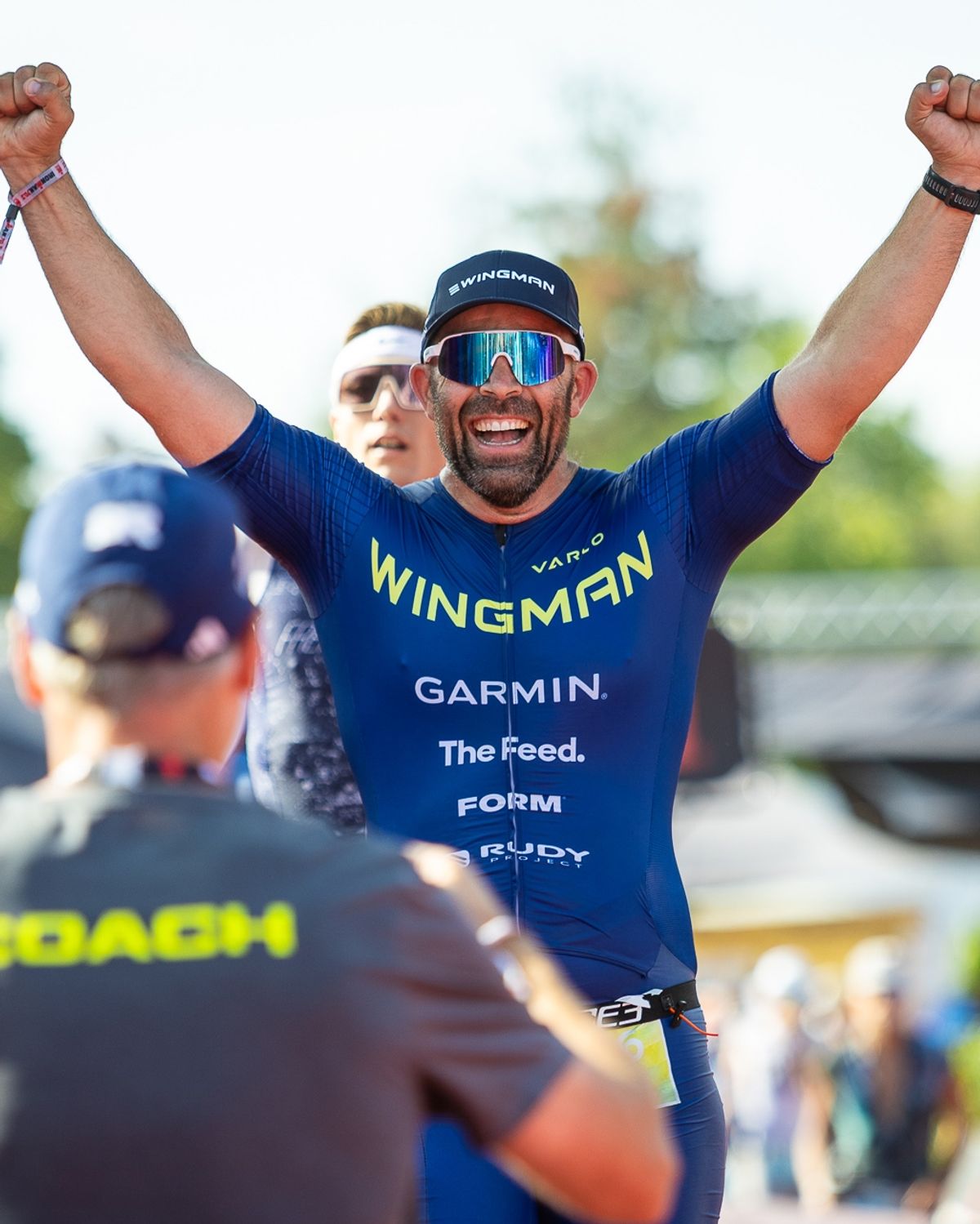
Thirty-six weeks from now, this is either a story or a thing you thought about
Preseason starts 16 November 2026. Coach capacity for Lake Placid is limited, and the race itself is selling out. The call costs nothing and requires no commitment.
Not sure Lake Placid is the right race?
Compare all 2027 races